


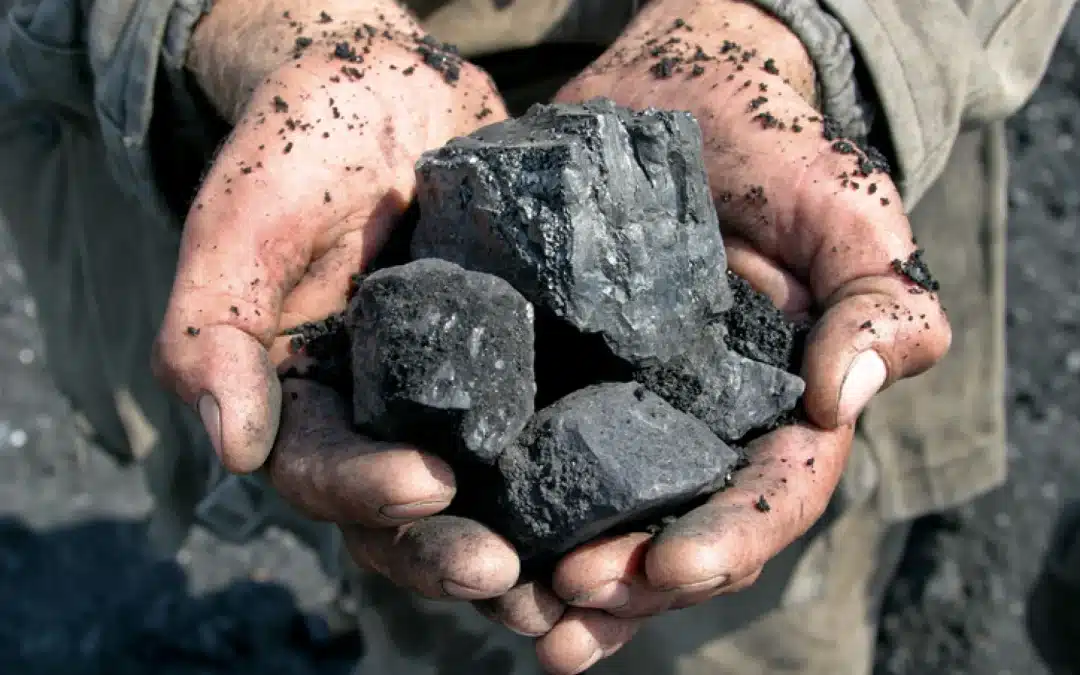
Kazakhstan seeks to meet the rising coal demand for its new energy projects by increasing mining capacity and upgrading the sector, Qazinform News Agency reports.
These issues were on the agenda of a meeting chaired by Vice Minister of Energy Yerlan Akbarov, with the participation of the country’s largest coal-mining companies.
The meeting took place as part of the implementation of the Head of State’s directives given at the 5th meeting of the National Qurultay, with a focus on a new national project for the development of coal-based power generation.
As noted by the Ministry of Energy, the project is aimed at strengthening the role of coal as a strategic resource for Kazakhstan, which has reserves exceeding 33 billion tons. The project involves expansion of generation capacity as well as comprehensive modernization of the sector – from attracting investment and upgrading fuel and logistics infrastructure to introducing environmental solutions and training personnel.

According to the ministry’s forecasts, the demand for thermal coal for new projects will exceed 19 million tons per year by 2032. This requires an accelerated increase in production capacity.
In particular, Bogatyr Komir LLP plans to increase coal production from 42.7 million tons in 2024 to 45.2 million tons by 2026, and to reach 56.5 million tons by 2032. By that time, the company intends to invest 360 billion tenge in the construction of new cyclic-flow technology facilities, the purchase of equipment, and the modernization of production capacities. At the same time, digital solutions are being introduced, including an MES system and freight flow optimization, which will enhance efficiency and safety in mining operations.
Shubarkol Komir JSC also announced plans to increase production. The company expects to raise output to 16.1 million tons by 2026. Its investment program for 2026-2032 is estimated at 95.5 billion tenge and provides for technical re-equipment, equipment upgrades worth 49.4 billion tenge, the implementation of the second phase of the Cyclic-flow overburden complex-2, and the introduction of digital technologies, including Hovermap 3D mapping systems and robotic dump trucks.
Closing the meeting, Akbarov stressed the need for synchronized development of mining operations, railway infrastructure, and the expansion of the open-top railcar fleet. According to him, this will ensure uninterrupted fuel supplies to the economy and strengthen the country’s energy security.