


Japan’s government plans to temporarily lift restrictions on coal-fired power plants as it seeks to ease an energy crunch caused by the Middle East war, an official said on Friday.
Japanese media, including Jiji Press, had earlier reported the industry ministry was set to announce the proposal, citing unnamed sources.
“The reported fact is true” and the plan would be presented at an expert panel meeting later in the day, Takahide Soeda, an industry ministry official, told AFP.
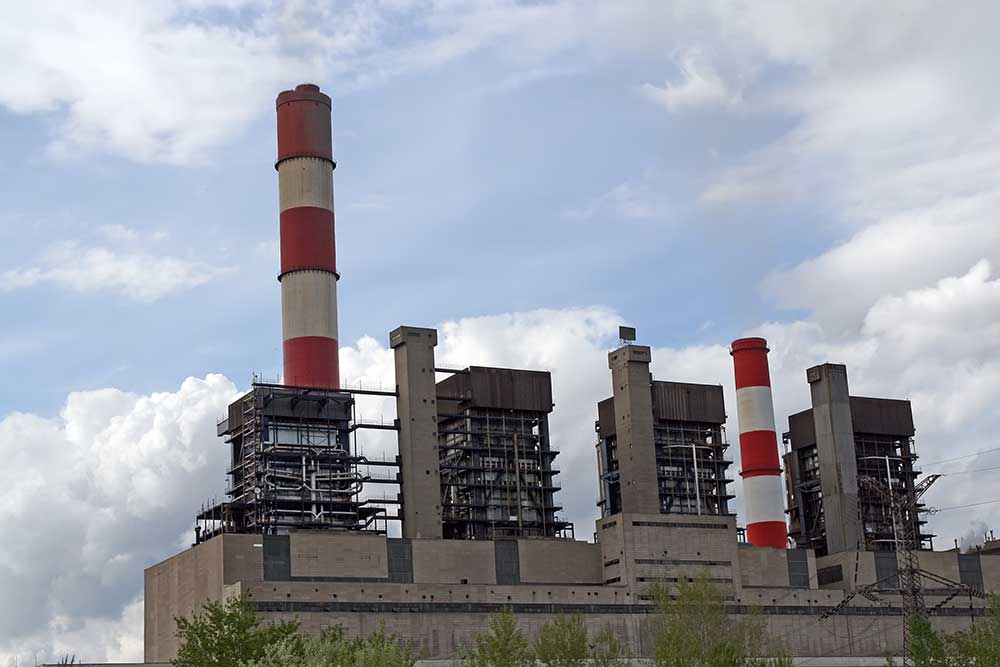
Power suppliers have previously been required to keep the operating rate of coal-fired thermal power stations that emit large amounts of carbon dioxide at or below 50 percent.
But the government now intends to allow full operation of older, less efficient coal-fired plants, for a year from the new fiscal year starting April, he said.
The initiative follows many Asian nations’ pivot towards coal to power their economies since the Middle East war that began late last month prompted Iran to partially close the crucial Strait of Hormuz energy trade route.
South Korea plans to lift a cap on coal-powered generation capacity, while also increasing nuclear plant operations.
The Philippines also intended to boost the output of its coal-fired power plants to keep electricity costs down as the war wreaks havoc with gas shipments.
Japan relies on thermal power plants to generate around 70 percent of its electricity needs, with coal serving as a major fuel to run them.
While Japan relies on the Middle East for much of its oil supply, it purchases nearly 80 percent of its coal imports from Australia and Indonesia, according to the Agency for Natural Resources and Energy.
Japan on Thursday said it had also started to release another part of its strategic oil reserves, as it faced supply challenges to its oil imports, 90 percent of which normally come from the Middle East.