


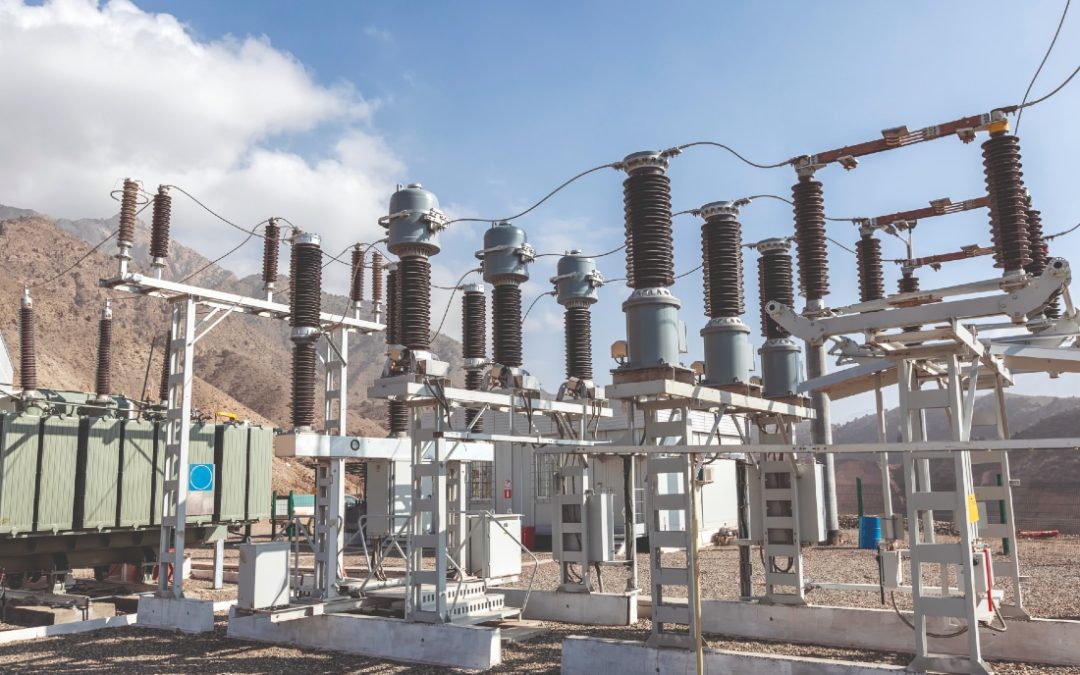
With miners aiming to move towards electrification, the success of the transition is set to be determined by the broader infrastructure that delivers power to the operations.
An electric haul truck might be the most visible symbol of a mine’s transition away from diesel, but it is only one part of a much larger equation.
Behind every battery-electric machine or electric process sits a network of infrastructure, including transformers, substations, switchgear and cable systems, that must deliver the right amount of power, to the right place, at the right time.
Serving as the electrical backbone, this equipment holds the key to miners’ ability to electrify their operations, according to electrical infrastructure provider Australian Power Equipment.
“Mine electrification isn’t simply an equipment transition; it’s a power infrastructure transition,” Australian Power Equipment co-director Abby Crawford said.
“The challenge is ensuring the electrical network can support not only the mine of today, but the significantly different loads of tomorrow.”
The scale of that challenge will vary considerably between operations, as some mines may have existing infrastructure that has the capacity to accommodate a degree of electrification, while others may need substantial upgrades that expand all the way back to the grid connection.
Securing capacity at the point of connection also holds significant importance, according to power and communications infrastructure provider Genus.
“Any major connection, whether it be a source of generation or a load, requires power systems studies to determine how that plant will interact with the supply network,” Genus project director Beau Stoner said.
“The size of the generation or load will be the primary constraint that drives the depth of the systems studies and the subsequent cost-feasibility of electrification.”
This makes the grid connection one of the earliest considerations for a mine contemplating electrification.
“This is why power systems studies and grid connection studies are so important as they will identify this capacity range very early on in the process,” Stoner said.
“Fundamentally they should be one of the first things done before any significant investment.”
Powering the transition

The connection point can also determine how much work is required before an electrification project can progress within a mining operation as the upgrades can potentially extending beyond the mine itself.
“The grid connection is where the network operator will assess whether the proposed project and its scope will need upgrades or modifications,” Stoner said.
Opening that communication channel early can give mining companies a clearer understanding of what will be required to connect the project, particularly where significant network upgrades are needed.
Stoner said mining companies will be required to fund these upgrades in most cases, making early engagement with network operators an important part of understanding both the technical and financial feasibility of electrification before major investment decisions are made.
With the demand for electrification becoming stronger, so too does the importance of ensuring the infrastructure behind it is appropriately specified and coordinated.
Mines can invest in the most advanced battery-electric equipment available, but if sufficient power cannot be delivered safely and reliably, the full benefits will not come to fruition.
This means that electrification cannot be treated as simply swapping diesel equipment for electric alternatives.
Changing mining equipment can also change the electrical demand profile, potentially affecting everything from transformers and cables through to protection systems and the upstream network, which is why the planning process is critical.
“Electrification infrastructure needs to be considered at the beginning of mine planning, not once the electric equipment arrives,” Australian Power Equipment co-director Andrew Cockbain said.
“Understanding current and future loads, where those loads will occur and how they may change over the life of the mine is fundamental.”
That becomes particularly important for mining operations because the operating environment is constantly evolving, meaning infrastructure must accommodate not only the mine’s current requirements but also its future development.
“Building flexibility into the network from the outset can avoid costly constraints and improve safety as electrification progresses,” Crawford said.
Building for what comes next
Rather than simply connecting a mine to an external grid, future operations could combine grid connections with on-site generation, battery storage and more sophisticated distribution systems.
“A fully electrified mine will effectively operate as a sophisticated energy ecosystem, with generation, storage and electrical distribution working together across the site,” Cockbain said.
“We expect to see smarter substations and switchgear, greater monitoring and automation, strategically located charging infrastructure and increased integration of renewable energy and storage.”
For Stoner, the ideal electrified mine would have parallel connections that provide an alternative supply if one circuit fails.
Where that is not practical, Stoner said an internal hybrid system may offer another pathway.
One of the most important factors in determining whether electrification can deliver a meaningful economic benefit will be the cost of electricity.
“Electrification of a mine may be achieving many objectives, such as decreasing dependence on diesel and reducing emissions,” Stoner said.
“However, the economics of the transition should be a highly weighted factor.”
At the same time, available capacity, connection approvals, equipment costs and lead times could all influence the pace of deployment, making electrical infrastructure a key consideration in the early stages of mine planning.
Investing in the infrastructure to power it will play a major role in the industry’s ability to transition to electric equipment.
“The most successful transition will be one that creates electrical networks that are resilient, adaptable and designed around whole-of-life value, including refurbishment, redeployment and recycling,” Crawford said.
“It will rely not just on having the right equipment, but on having the right expertise and partnerships to bring the complete electrical system together.”