


UK energy‑transition developer EnergyPathways is accelerating plans to bring its low‑carbon hydrogen and graphite production facility at Barrow‑in‑Furness, Cumbria into operation, with the ambition of generating revenue by 2029. The timeline could shorten further as design optimisation and supply‑chain work progress.
The Barrow project forms a central pillar of EnergyPathways’ integrated Marram Energy Storage Hub (MESH), which combines long‑duration energy storage using natural gas and hydrogen with graphite and ammonia production. Significantly, the company stresses that commercialisation of its hydrogen industries division does not rely on government support and requires only minimal regulatory processes.
A site capable of hosting a 20 000 t/y plant has already been identified, complete with existing gas and power network connections. Engineering work is advancing in partnership with Hazer Group and Hycamite TCD Technologies. The facility will use methane‑splitting technology to convert natural gas into low‑carbon hydrogen and solid graphitic carbon. By capturing carbon in solid form rather than releasing it as CO₂, the process creates a domestic supply of graphite — a material the UK government classifies as critical to national security, industrial strategy and the energy transition. The UK currently imports all of its graphite, leaving industries exposed to geopolitical risk.
EnergyPathways has mapped out initial graphite markets in tyre manufacturing, metallurgical applications and the blending of graphite into concrete and asphalt — sectors that consume large volumes of carbon and could decarbonise through the use of low‑carbon graphite. Over time, the company intends to upgrade its graphitic carbon into high‑grade graphite suitable for electric‑vehicle batteries and other advanced technologies.
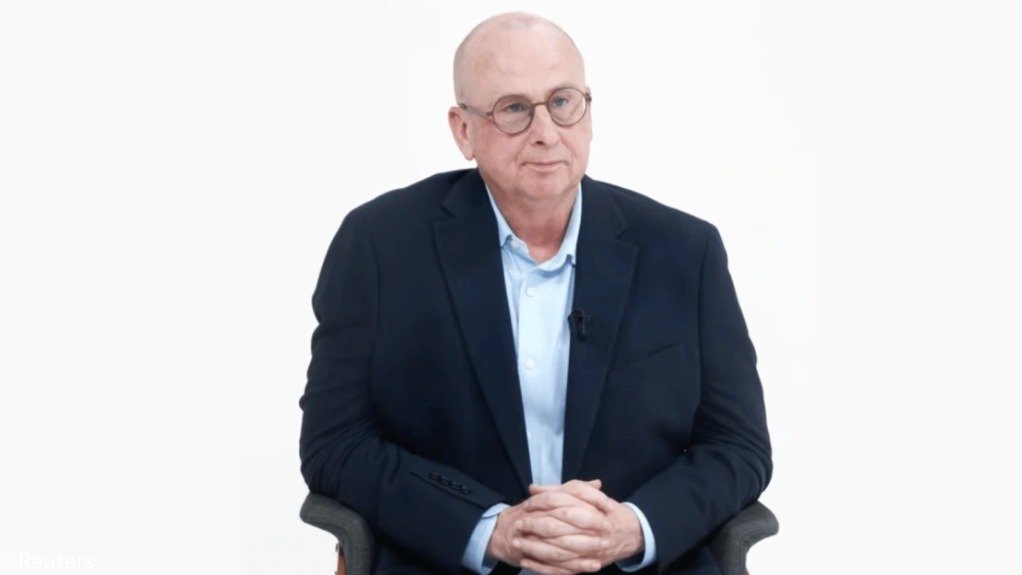
CEO Ben Clube says the company sees a clear pathway to early cash flow. Accelerating the Barrow development, he argues, could make EnergyPathways revenue‑generative by 2029, if not sooner, delivering strong margins and underpinning the wider MESH strategy. Workstreams are already under way on land acquisition or leasing, and on securing grid connections for gas and power.
Clube describes the hydrogen industries component of MESH as economically compelling on a standalone basis. Engagement with offtake customers is advancing to support the project’s commercial foundations, alongside discussions with strategic investors and private capital to fund the fast‑tracked development.
The company’s immediate focus is on securing offtake agreements, completing engineering, and locking in the funding required to deliver early revenue at Barrow and long‑term investment across the MESH platform. Clube says EnergyPathways will continue updating the market as it reaches key milestones on the road to commercialisation.