


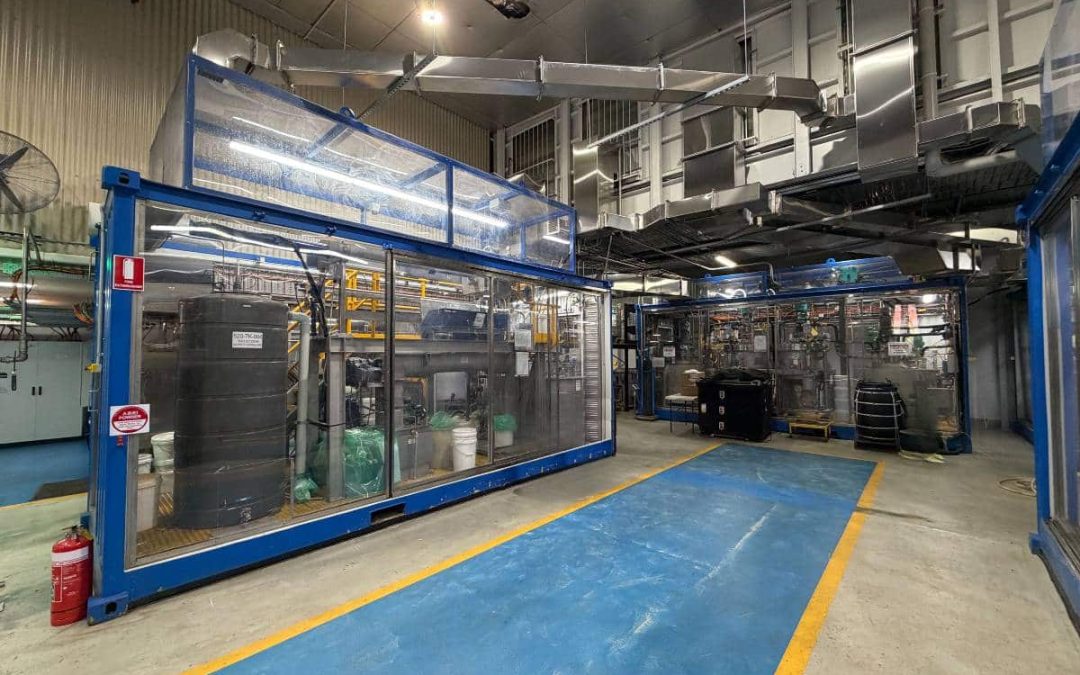
Fortescue has turned a longstanding copper-processing hurdle into a commercial opportunity, selling more than 40 tonnes of concentrate treated with its “world-first” arsenic-removal technology.
The milestone follows four years of development and testing of the patented Toowong Process, which uses a low-temperature, low-pressure hydrometallurgical method to separate arsenic from copper concentrate.
Fortescue acquired the technology in 2022 and has since conducted seven testing campaigns over more than 3000 hours at its Brisbane demonstration plant.
The process reduced arsenic levels to below 0.3 per cent while retaining more than 99.9 per cent of the copper. The first commercial sale involved more than 40 tonnes of treated concentrate with less than 0.25 per cent arsenic, down from feedstocks containing up to 7 per cent arsenic.
High arsenic levels can make copper concentrate difficult to sell, with smelters imposing penalties or refusing material that exceeds their specifications. Conventional arsenic removal through roasting is also energy-intensive and requires infrastructure to manage hazardous emissions.
Fortescue said its alternative could reduce energy consumption and emissions while producing a stable solid arsenic-bearing product.
Fortescue growth and energy chief executive officer Gus Pichot said the technology could help overcome barriers to the development of more complex copper deposits.
“This technology has the potential to make high-arsenic deposits more economically viable, addressing major processing challenges and eliminating emissions at the same time,” Pichot said.
“This is a technology that Fortescue will consider using itself as we explore copper deposits globally. It could also be hugely important for the industry and our peers more broadly as well.”
The company is continuing to optimise the process and advance commercial engineering, with an emphasis on reducing capital and operating costs.
Further testing is underway using concentrate from Fortescue’s Cañariaco copper project in Peru, where arsenic removal could improve the saleability of concentrate and allow greater flexibility in future mine planning.