

The nickel market is poised to expand to $80.68-billion by 2031 compared with $57.59-billion in 2026, which is an estimated compound annual growth rate (CAGR) of 7% over the period, finds consultancy MarketsandMarkets in its global nickel market forecast to 2031 report.
The firm says global nickel market growth is being driven by increasing demand for stainless steel, nickel-based alloys, electric vehicle (EV) batteries and other industrial applications.
Asia Pacific accounted for 85.7% of the nickel market in 2025, which is supported by large-scale stainless steel production, expanding industrial activity, strong nickel refining capabilities and investments in battery manufacturing in China, Indonesia, Japan, South Korea and India. Indonesia‘s expanding nickel mining and smelting, coupled with China strong stainless steel manufacturing base, in particular, strengthens the region’s market position.
In Europe, the nickel market is supported by demand for stainless steel and specialty alloys, investments in EV battery manufacturing and efforts to strengthen local battery-material supply chains.
MarketsandMarkets further finds that North America is experiencing nickel market growth owing to investments in EV batteries, demand for high-performance alloys in aerospace and energy applications, and initiatives to strengthen critical mineral supply chains.
Meanwhile, South America benefits from nickel resources and mining activities, particularly in Brazil, alongside investments in mineral extraction and processing.
The Middle East and Africa region is supported by nickel mining and processing activities, particularly in countries such as South Africa and Madagascar, as well as investments in mineral development and industrial infrastructure.
MarketsandMarkets says regional market growth will continue to depend on stainless steel demand, battery chemistry trends, nickel prices, and the expansion of mining and refining capacity.
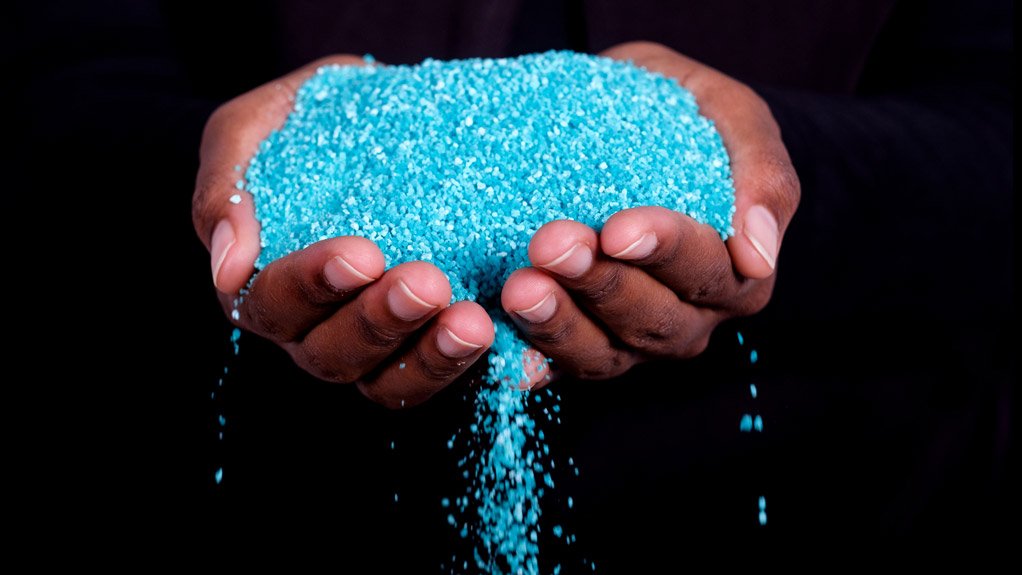
By form, the nickel sulphate market, or battery-grade market, is estimated to grow at a CAGR of 11.5% between 2026 and 2031. This segment is supported by increasing demand for high-purity nickel compounds used in lithium-ion battery cathode manufacturing. MarketsandMarkets says growing EV production, expanding battery manufacturing capacity and increasing demand for nickel-rich cathode chemistries such as nickel-manganese-cobalt or nickel-cobalt-aluminium are contributing to nickel sulphate market growth.
By application, the rechargeable battery cathodes segment is anticipated to record a CAGR of 13.7% over the period, driven by increasing demand for nickel-containing cathode materials used in EV batteries and select energy storage applications. However, the growing adoption of lithium-iron-phosphate batteries, which do not contain nickel, may moderate nickel demand growth in certain EV segments.
The automotive and e-mobility industry itself is anticipated to grow by 11.6% over the period.
INVESTMENT FLOWS
MarketsandMarkets finds that major nickel producers are investing in capacity expansion, high-pressure acid leach projects and nickel sulphate production to serve stainless steel manufacturers and battery supply chains. Indonesia, for one, is attracting substantial investment in its nickel mining and downstream processing, while North America and Europe are focused on supply chain diversification, battery material production and recycling.
Investments are also directed toward improving processing efficiency, recovering nickel from end-of-life batteries, and reducing the environmental footprint of production.
These developments are supporting investment across the nickel value chain, although project economics remain sensitive to nickel prices, capital intensity, permitting requirements, environmental regulations, and the cost competitiveness of battery chemistries that use less or no nickel, MarketsandMarkets states.
Some merger and acquisition transactions in recent years reflect the industry’s efforts to optimise asset ownership, consolidate nickel resources, attract strategic investment and strengthen integration between mining, processing and downstream markets.
MarketsandMarkets cites the examples of Vale having completed the sale of a 10% stake in Vale Base Metals to Manara Minerals for about $2.5-billion in 2024 and Indonesia‘s MIND ID having acquired additional shares in Vale Indonesia to become its largest shareholder at 34%. By January this year, Nickel Industries announced a strategic transaction whereby South Korean company Sphere would acquire a 10% interest in the Excelsior Nickel Cobalt project, with the deal having been valued at $2.4-billion.