


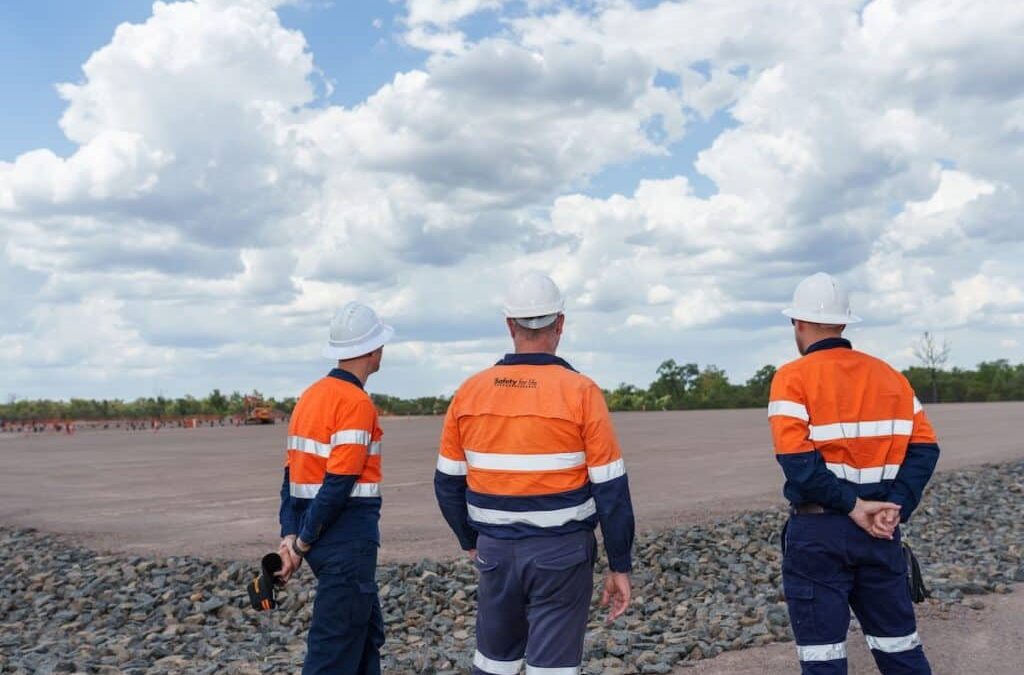
Construction has commenced on a hybrid power station near Miles that will support Arrow Energy’s Surat Gas Project North, highlighting how natural gas and renewables can be integrated to deliver safe, reliable and lower-emissions energy.
The facility, which includes a planned solar farm, will supply electricity to Arrow’s field compression station, where gas is processed for delivery to market.
Up to 90 jobs are expected to be created during construction. Once operational, the power station will run on a combination of gas, solar and battery storage.
Arrow Energy chief executive officer XinMiao Tong said the power station will provide electricity for Arrow’s operations.
“By integrating solar generation and battery storage with gas-powered electricity, we will strengthen our operational resilience while improving our greenhouse gas emissions footprint as we produce essential energy for Queensland and beyond.
“With natural gas expected to remain an important part of the energy mix for several decades, integrated solutions such as this are the shape of things to come.
“Arrow has significantly reduced its emissions intensity across our gas operations over the past decade, and this hybrid power solution is the next step in supporting Australia’s net zero ambitions.”
Global energy solutions provider Aggreko will develop, own and operate the facility under a 20-year agreement with Arrow Energy.
Aggreko APAC managing director George Whyte said the project demonstrated the growing role of hybrid energy systems in major regional developments.
“This project represents an important milestone for the region and for the future of hybrid energy in Australia,” Whyte said.
“The combination of thermal generation, solar power and battery storage delivers a robust energy platform that supports Arrow’s operational reliability and contributes to Queensland’s broader decarbonisation goals.
Aggreko said the investment reflects its long-term commitment to supporting industry to reduce greenhouse gas emissions, improve efficiency and enhance resilience across remote and energy-intensive operations.
The hybrid power station will comprise a 17MWp solar farm (subject to final government approvals), an 8.4MVA/16MWh battery energy storage system, and a 33.75MVA gas-fired thermal power station.
At peak performance, the solar and battery components are expected to reduce annual fuel gas consumption by around 385,000 gigajoules and cut greenhouse gas emissions by approximately 21,000 tonnes of CO₂-e per year compared with a gas-only power station.
The project is also set to deliver economic benefits to the Miles and broader Surat Basin region through construction employment and increased local spending.