


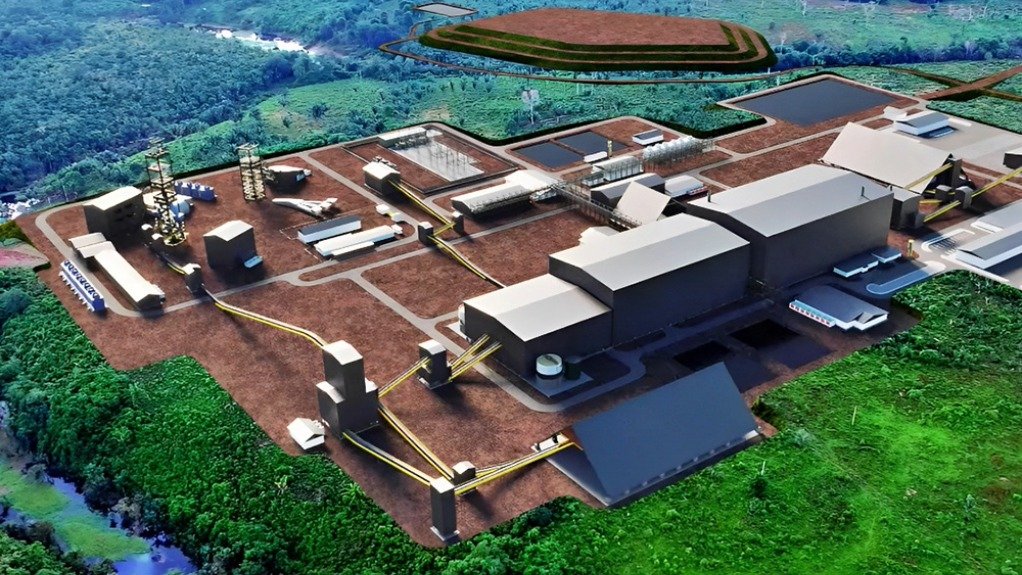
Brazil Potash Corporation has awarded a second front-end engineering design (FEED) contract for mine shafts and underground development at the Autazes project to WSP, with Redpath Deilmann as subconsultants for the mine shafts scope.
With the surface facilities and infrastructure FEED contract having been awarded to Wood and Promon Engenharia, the latest award closes the Canadian potash developer’s loop on engineering design across the full Autazes scope – on surface and underground.
“Redpath, for one, is among the most experienced teams globally in potash shaft sinking, and bringing them to Autazes gives our lenders and partners the engineering rigour they need to move forward. We are one step closer to the day Brazil stops importing 95% of its own fertiliser,” says Brazil Potash project director Raphael Bloise.
Redpath has participated in and delivered shaft sinking works on more than 500 shafts globally, including numerous historic shafts in the Saskatchewan potash basin, in Canada.
Shaft sinking constitutes the critical path for the Autazes project – the two shafts define the entire construction schedule. All subsequent infrastructure, including the processing plant, tailings, logistics, and underground development, depends on the timely and safe completion of the shafts.
Bloise further explains that mine shafts and underground development will now be developed to the same level of engineering fidelity as the surface works, creating a unified, lender-ready engineering basis for the entire project. The completion of FEED studies is a critical milestone for securing construction debt financing, which is currently being advanced through dialogues with development finance institutions and export credit agencies.
Overall, the FEED phase converts conceptual and prefeasibility premises into detailed engineering documentation intended to support lender due diligence, establishing the foundations required for bankability, investment readiness, and long-lead procurement.
With an initial planned potash production of up to 2.4-million tons a year, Brazil Potash’s management believes the project could potentially supply 20% of the current potash demand in Brazil.