


Catalyst Metals has increased underground gold reserves at its Trident deposit by 32 per cent to 524,000 ounces, strengthening a key ore source in its plan to double production across Western Australia’s Plutonic gold belt.
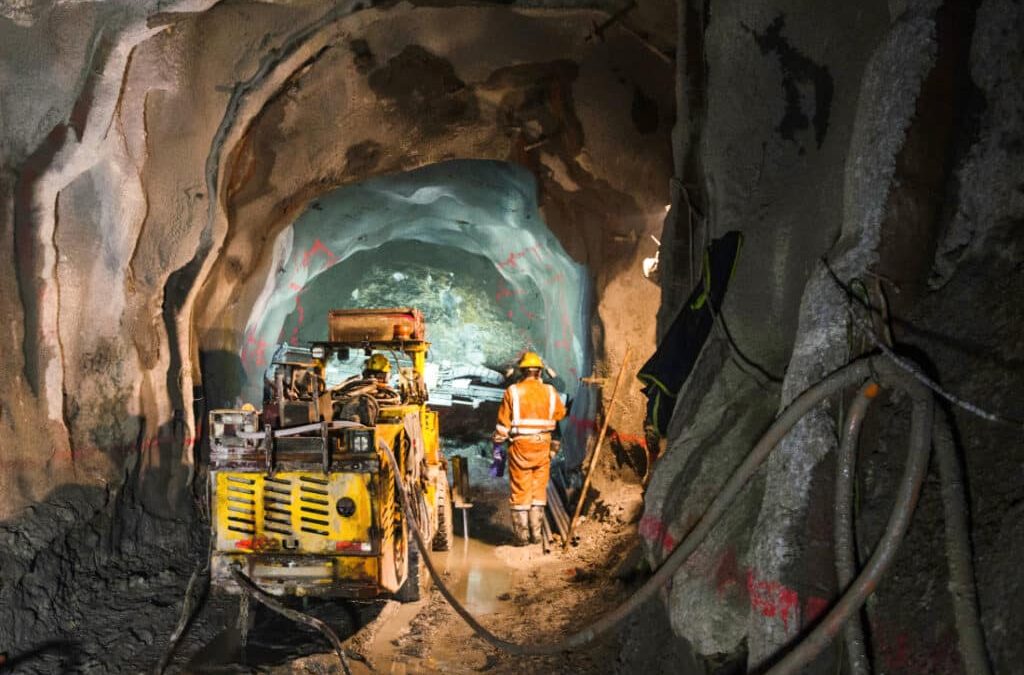
The updated probable ore reserve comprises 3.9 million tonnes at 4.2 grams per tonne (g/t) gold, coming alongside underground development which is underway, with 250m completed and first ore expected in 2027.
Trident is expected to produce 60,000 – 80,000 ounces annually at steady state, with an anticipated mine life of around 10 years; the deposit sits 30km north-east of Catalyst’s existing two-million-tonne-per-annum Plutonic processing plant.
The upgrade adds 127,000 ounces to the 397,000-ounce reserve announced in April, although the reserve grade has decreased from 5.0g/t.
Nevertheless, further reserve growth remains a focus, with Catalyst targeting conversion of Trident’s 448,000-ounce inferred resource through infill drilling.
The company said historical infill drilling at Trident had converted around 75 per cent of inferred resources into the higher-confidence indicated category, and further conversion could support additional reserves and mine-life extensions.
Trident’s total mineral resource, updated in June, stands at approximately 1.1 million ounces at 5.4g/t gold, including 633,000 ounces in the indicated category.s
Resources include reserves, and the updated ore reserve estimate includes no inferred material. Catalyst said the reserve assessment uses a gold price of $4500 per ounce.
As the Plutonic belt’s second-largest deposit, Trident is expected to provide a second, higher-grade base load ore source for the central processing plant.
Its development forms part of Catalyst’s broader ambition to establish approximately two million ounces of reserves across Plutonic, supporting sustained annual production of around 200,000 ounces over 10 years.
In August, it was noted that progress at Trident alongside the commissioning of the K2 underground mine was strengthening, as Catalyst expanded the operations supplying its processing hub.
Mining at Trident’s small open pit began in July 2025 and finished in May 2026, establishing access for the underground decline. Stockpiled open-pit ore will be progressively transported to Plutonic and processed over the remainder of 2026.
Grade control drilling covering the first 15 months of underground production has also been completed, and Catalyst said drilling ahead of the mine plan provides operational flexibility and helps reduce risk during ramp-up.
Trident has all required mining approvals and permits in place, and Catalyst said that its September 2025 guidance should be treated as a general guide to management’s long-term production plans.
Changes to permitting timelines, reserves and resources, geological understanding, operational delays and processing capacity will be reflected in future guidance.