


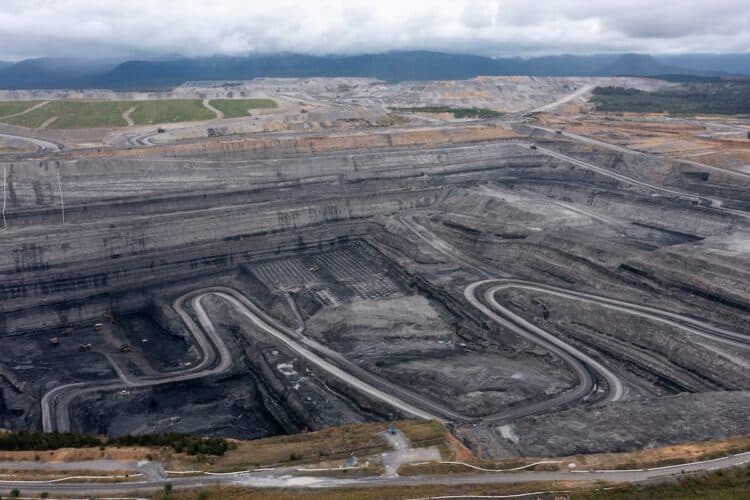
New South Wales has passed legislation to establish the Future Jobs and Investment Authority, backed by $29.7 million in ongoing funding and more than $170 million for a fund aimed at supporting jobs, investment and economic development across the state’s four coal-producing regions.
The authority will focus on the Hunter, Illawarra, Central West and North West, with a mandate to attract investment, support workforce development and facilitate productive future uses for post-minining land.
In passing the Future Jobs and Investment Bill 2025, new requirements have been introduced for coal mine operators to provide workers with greater certainty when operations are due to cease.
These include specified timeframes for notifying workers of mine closures and plans outlining how they will be supported through the transition.
The legislation follows more than three years of consultation with workers, industry, unions, local councils and community groups.
NSW natural resources minister Courtney Houssos said the authority would help coal-producing regions plan for future opportunities as economies transition.
“The passing of this crucial legislation begins a new partnership between government and our coal-producing regions,” Houssos said.
“It means the regions that have powered NSW for generations get the support they need to attract new industries and support job creation in the long term.”
The authority will establish four local divisions to give communities a direct role in shaping their region’s future. Each division will include representatives from workers, industry, local government and the community, with its chair also sitting on the authority’s board alongside union and industry representatives.
Its responsibilities will include workforce support, community engagement and reporting on mine closures.
The Hunter and Central West local divisions will be established first, with appointments to be announced by the government in due course.
“Around 25,000 people are directly employed by the coal mining industry, and these workers have sustained communities for generations,” Houssos said.
“This is a new capability of government that empowers local communities to plan for their futures as the world moves to low-carbon economies.”