


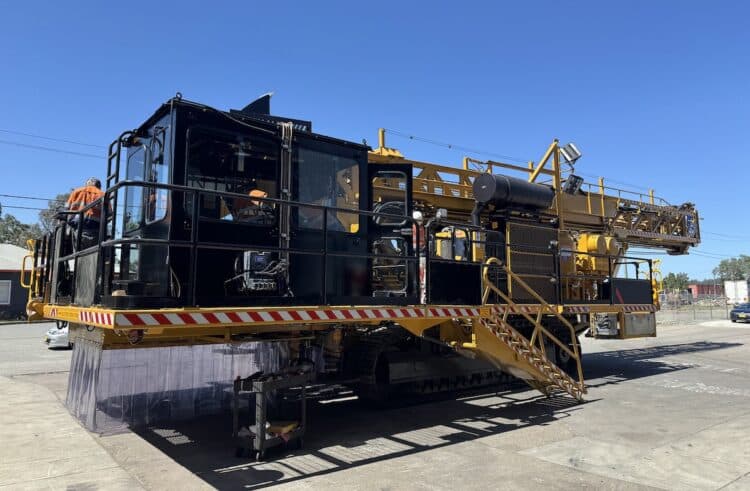
Ageing or heavily utilised drill rigs can reach a point where reactive repairs stop being economical and reliability starts to slide.
Motion helps mining customers restore performance, reduce unplanned downtime, and extend equipment life through structured drill rig overhauls built around data, inspection, and controlled workshop execution.
On a mine site, a drill rig is a production-critical machine that sets the pace for drilling schedules and downstream activities. When a rig is healthy, maintenance is planned and costs are predictable. When it isn’t, the warning signs show up fast: more breakdowns, longer repairs, and performance that gradually drifts away from specification.
William Rogers, Regional Manager NSW – Repair & Services at Motion, says the shift from ‘maintain’ to ‘overhaul’ is usually visible in the numbers. “A primary indicator is a sustained decline in MTBF combined with rising MTTR,” he explains. In other words: failures happen more often, and each repair takes longer – often because secondary damage is accumulating as worn systems keep operating.
The warning signs: when reactive repairs stop making sense
In practice, operators see this inflection point in a handful of recurring markers: repair events become more frequent, the same components fail repeatedly, and drill performance drops, as a result of slow hydraulics, intermittent air supply, or electrical issues. Safety risk can rise too, as maintenance crews spend more time on unplanned work under time pressure …
To continue reading this piece, click for Industry InMotion Edition 1.