


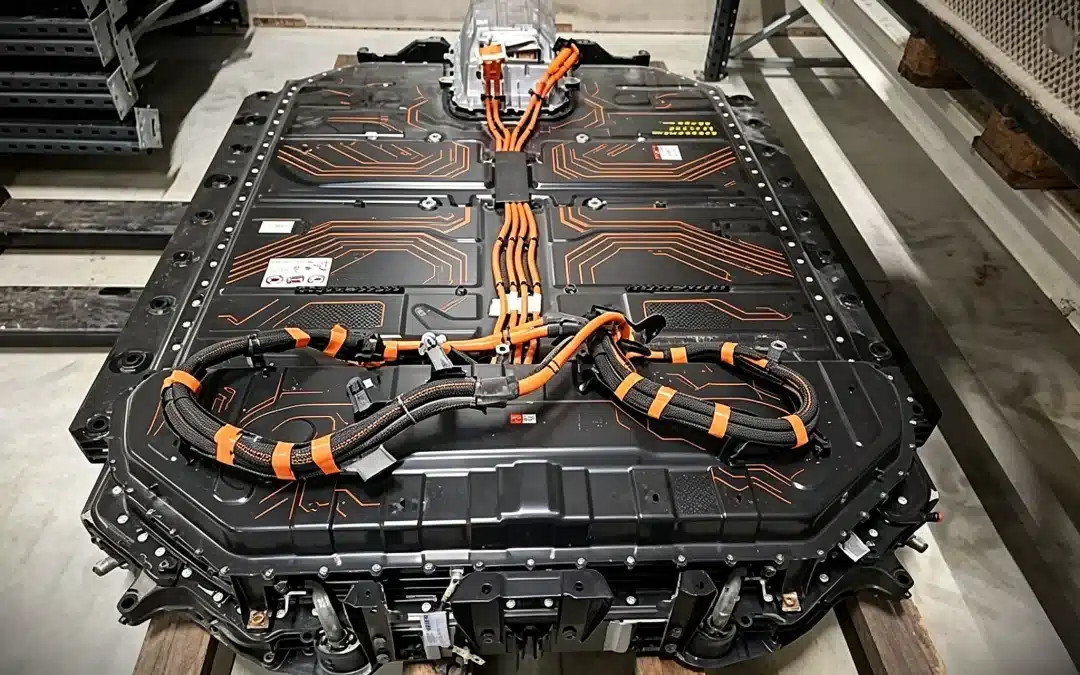
Sodium-ion automotive battery architectures are entering an intensive phase of raw-material re-engineering as Chinese vehicle manufacturers seek local components. The technical transition aims to achieve complete self-reliance from volatile foreign lithium supply lines. Initial volume deployment has commenced through new pipeline integration across low-cost budget passenger vehicle segments and localised grid storage utility networks.
The agricultural crisis
Biomass precursors derived from charred Southeast Asian coconut shells became the early manufacturing baseline for hard carbon production. This chemical path created an immediate risk because premium agricultural materials remain concentrated outside China. Domestic resource tracking indicates that local tropical coconut supplies can support a maximum capacity of only 6.3 GWh annually.
The coal solution
To eliminate this agricultural vulnerability, domestic material companies are shifting factory lines toward fossil inputs. Heavy chemical enterprises are deploying regional anthracite coal to synthesize high-purity non-graphitizable carbon arrays. This engineering pivot underpins the affordable electric transport segments that recently initiated high-volume assembly operations within specialised domestic factory infrastructures.
Reaching cost parity
Rapid commercial-scale anthracite processing has already dismantled previous manufacturing price floors. Hard-carbon anode costs have dropped below 30,000 yuan (4,416 USD) per ton, a level not seen in prior history. Automotive supplier roadmaps confirm an ultimate pricing target under 20,000 yuan (2,944 USD) per ton to guarantee long-term market viability.